The Podiatry Centre
Shockwave Therapy Miranda
Shockwave Therapy for Plantar Fasciitis, Arch Pain, Heel Pain and Achilles Tendon Injuries
Shockwave therapy is a non surgical treatment commonly used to manage chronic tendon, ligament and soft tissue injuries that have not responded to rest, stretching, footwear changes or other conservative treatments.
At The Podiatry Centre Miranda, shockwave therapy is regularly used as part of a comprehensive treatment plan for conditions such as plantar fasciitis, arch pain, chronic heel pain, Achilles tendinopathy, tendon injuries and a range of foot and ankle conditions.
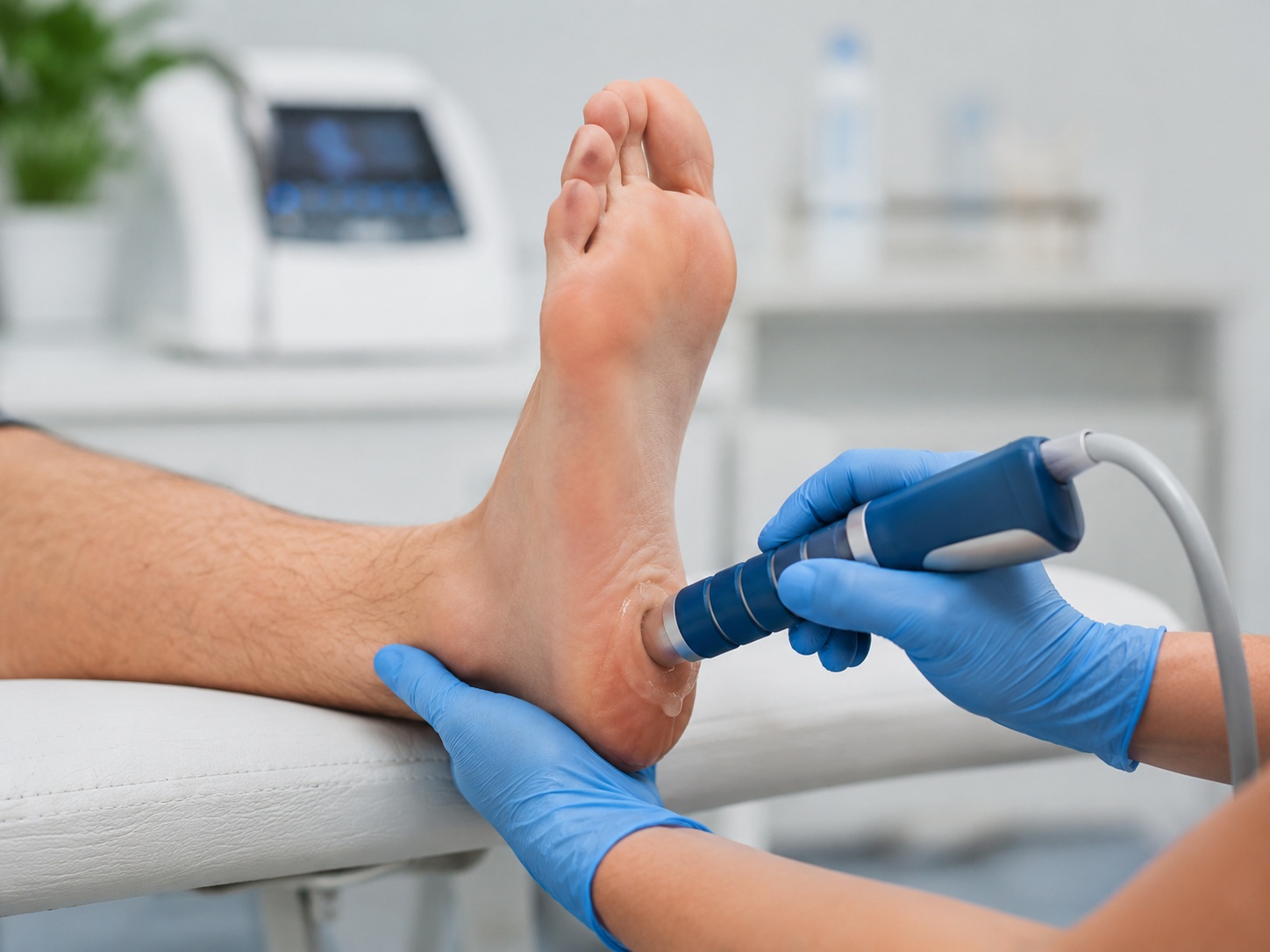
While shockwave therapy can be highly effective for the right condition, it works best when combined with an accurate diagnosis, appropriate footwear, activity modification and a treatment plan tailored to the underlying cause of the injury.
Many patients seek shockwave therapy after months of frustration. They may have tried stretching, massage, exercises, orthotics, injections or periods of rest with little improvement. In these situations, a detailed assessment is often the first step towards understanding why the injury has failed to heal.
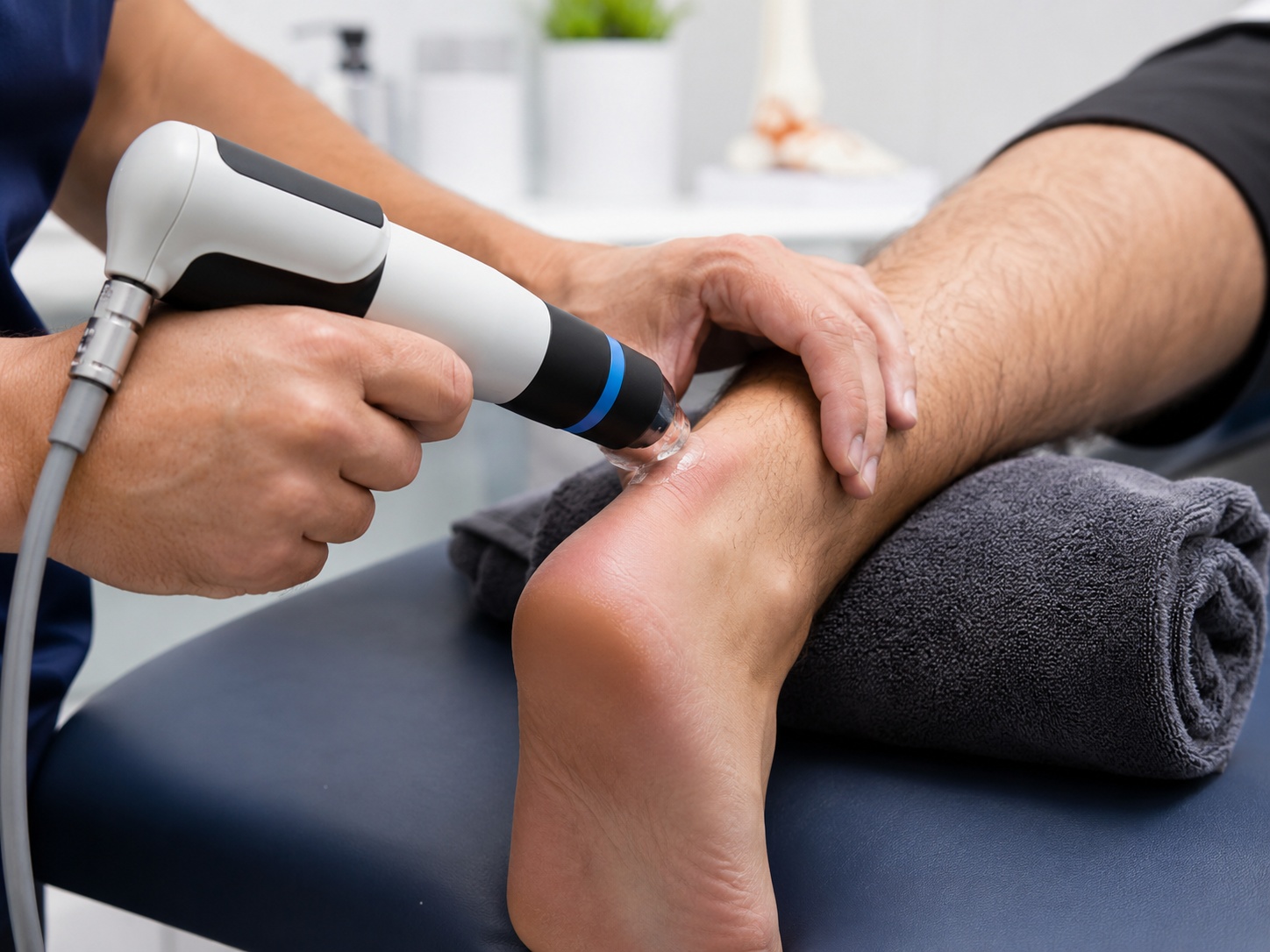
What Is Shockwave Therapy?
Shockwave therapy is a non surgical treatment that delivers high energy acoustic waves into injured tissue.
Originally developed to treat kidney stones, shockwave technology has since become widely used in sports medicine, orthopaedics and podiatry for the treatment of chronic tendon, ligament and soft tissue injuries.
The treatment creates a controlled mechanical stimulus within the affected tissue. This stimulus triggers a cascade of biological responses that may help restart healing in tissue that has become chronically irritated or failed to repair effectively.
Research suggests shockwave therapy may help:
* Stimulate neovascularisation, which is the formation of new blood vessels within damaged tissue
* Increase local blood flow and oxygen delivery
* Promote collagen production and tissue remodelling
* Stimulate tenocyte activity within injured tendons
* Reduce levels of Substance P, a neurotransmitter associated with chronic pain
* Influence inflammatory mediators and cytokines involved in tissue repair
* Encourage the release of growth factors associated with healing
* Improve cellular metabolism within injured tissue
* Reduce pain sensitivity in chronic tendon and fascial injuries
For many patients, the goal is not simply pain relief. The objective is to create an environment that allows damaged tissue to heal more effectively while addressing the factors that contributed to the injury in the first place.
Conditions Commonly Treated With Shockwave Therapy
Shockwave therapy may be suitable for a range of chronic foot and lower limb conditions including plantar fasciitis, arch pain, heel pain, Achilles tendon injuries and other soft tissue disorders affecting the foot and ankle.
Conditions commonly treated include:
* Plantar fasciitis
* Arch pain
* Chronic heel pain
* Achilles tendinopathy
* Insertional Achilles tendinopathy
* Peroneal tendinopathy
* Tibialis posterior tendinopathy
* Shin splints
* Certain ligament injuries
* Chronic ankle pain
* Chronic soft tissue injuries of the foot and lower limb
Not every condition is suitable for shockwave therapy. Some injuries respond extremely well, while others may require a different treatment approach. This is why a thorough assessment and accurate diagnosis are important before treatment begins.
At The Podiatry Centre Miranda, shockwave therapy is never applied using a one size fits all approach. We first identify the structure responsible for your symptoms and determine whether shockwave therapy is likely to provide meaningful benefit.
Shockwave Therapy for Plantar Fasciitis and Arch Pain
Plantar fasciitis is one of the most common conditions treated with shockwave therapy.
Patients often describe pain under the heel, through the arch of the foot, or discomfort when getting out of bed in the morning. Others experience pain after periods of sitting, prolonged standing or increased activity.
In many cases the pain has been present for several months and has not improved despite stretching, massage, orthotics, exercises or changes in activity.
Shockwave therapy can be particularly useful in chronic cases where the tissue has failed to progress through the normal healing process.
At The Podiatry Centre, treatment is rarely focused on the plantar fascia alone. We also assess factors such as calf muscle tightness, footwear, walking mechanics, occupational demands, training loads and lower limb function.
Identifying and addressing these contributing factors is often just as important as the shockwave treatment itself.
Shockwave Therapy for Achilles Tendon Pain
Achilles tendon injuries can be frustrating and slow to recover.
Many patients continue to exercise through the pain, only to find that symptoms gradually worsen over time.
Shockwave therapy is frequently used for chronic Achilles tendon pain, particularly when symptoms have been present for several months.
The treatment is designed to stimulate healing within the damaged tendon while reducing pain and improving function.
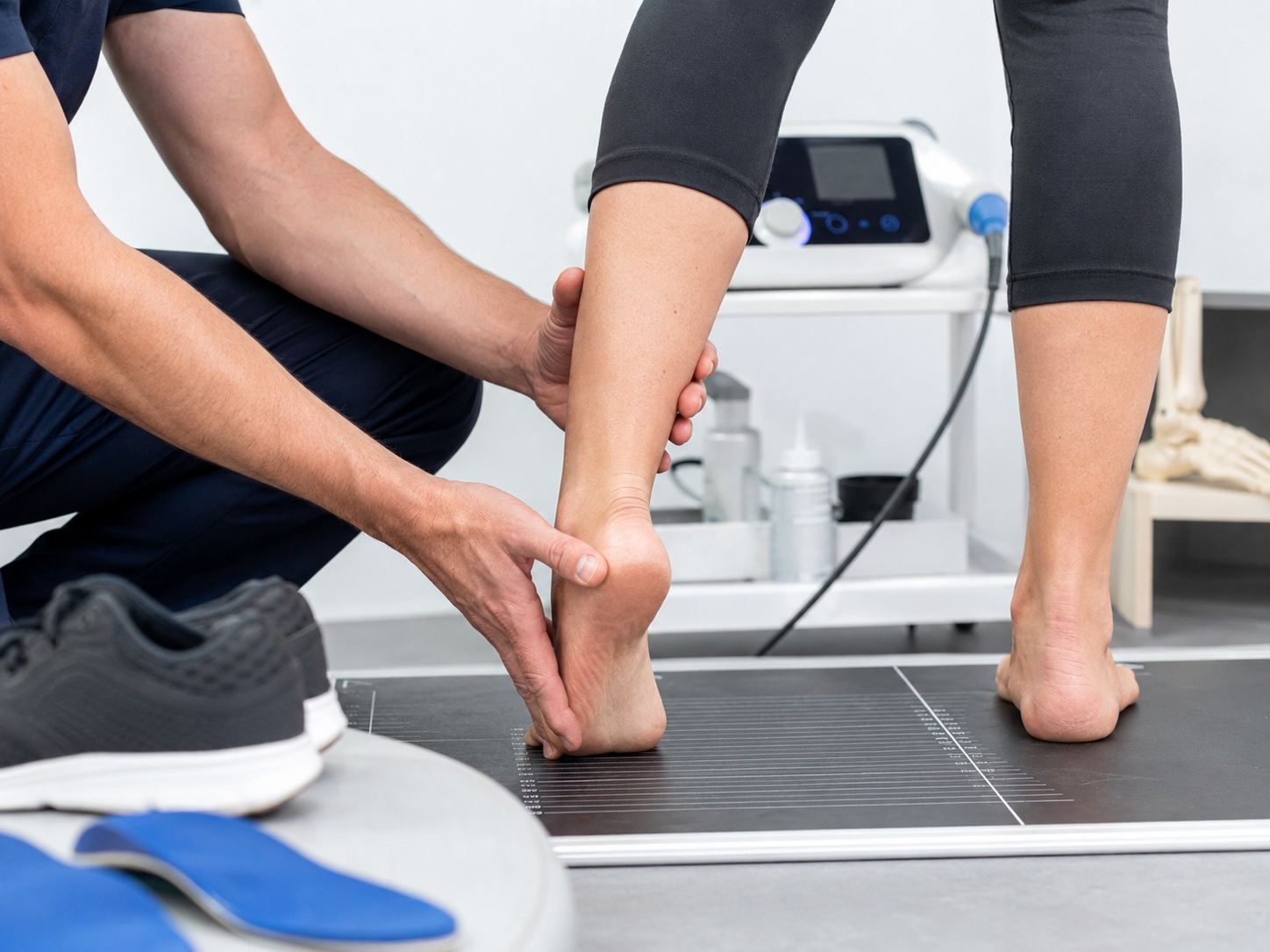
As with plantar fasciitis, successful treatment usually requires more than simply applying shockwave. Factors such as calf flexibility, footwear selection, training errors, lower limb biomechanics and tendon loading patterns must also be addressed.
What Does Treatment Feel Like?
Most patients describe shockwave therapy as mildly uncomfortable rather than painful.
The sensation varies depending on the area being treated and the sensitivity of the injured tissue.
Treatment intensity can be adjusted throughout the session to ensure the procedure remains tolerable.
No anaesthetic is required and patients are able to walk out of the clinic immediately afterwards and return to most normal daily activities.
How Many Treatments Will I Need?
The number of treatments varies depending on the condition, its severity and how long symptoms have been present.
Most patients undergo a series of treatments over several weeks.
Some people notice improvement after the first few sessions, while others experience more gradual progress over time as the healing response develops.
During your consultation we will explain what is realistically achievable and whether shockwave therapy is likely to be beneficial in your particular case.
Is Shockwave Therapy Right For You?
Shockwave therapy can be highly effective for the right condition and the right patient.
However, treatment outcomes are often determined by the accuracy of the diagnosis.
Many foot and heel pain conditions can appear similar on the surface but require very different treatment approaches. Plantar fasciitis, heel fat pad syndrome, nerve irritation, stress injuries and inflammatory conditions can all cause heel pain, yet each may require a different management strategy.
For this reason every patient undergoes a comprehensive assessment before treatment recommendations are made.
In some cases shockwave therapy may be appropriate. In others, a different treatment approach may offer a better outcome.
Shockwave Therapy Miranda
The Podiatry Centre Miranda provides shockwave therapy for patients throughout the Sutherland Shire and surrounding areas.
Patients regularly attend our Miranda clinic from Caringbah, Gymea, Kirrawee, Cronulla, Engadine, Sylvania, Menai and surrounding suburbs seeking treatment for plantar fasciitis, arch pain, heel pain, Achilles tendon pain and chronic foot injuries.
Our clinic combines shockwave therapy with detailed biomechanical assessment, footwear advice and personalised treatment planning to ensure the underlying cause of the problem is addressed rather than simply managing symptoms.
Why Choose The Podiatry Centre Miranda?
Frequently Asked Questions
Does shockwave therapy hurt?
Most patients describe shockwave therapy as uncomfortable rather than painful. Treatment intensity can be adjusted throughout the session to ensure it remains tolerable.
How many shockwave therapy sessions will I need?
Most patients undergo between three and six treatments. The exact number depends on the diagnosis, severity of the condition and how long symptoms have been present.
How long does a shockwave therapy appointment take?
Appointments typically take between 15 and 20 minutes, although your initial assessment may be longer.
Is shockwave therapy suitable for plantar fasciitis?
Yes. Plantar fasciitis is one of the most common conditions treated with shockwave therapy, particularly when symptoms have persisted for several months.
Can shockwave therapy help arch pain?
Yes. In many cases arch pain originates from irritation of the plantar fascia or other soft tissue structures within the foot. Following an assessment, shockwave therapy may form part of a broader treatment plan designed to address the underlying cause.
Is shockwave therapy suitable for Achilles tendon pain?
Shockwave therapy is frequently used for chronic Achilles tendinopathy and insertional Achilles pain when conservative treatment alone has not provided sufficient improvement.
How soon will I notice results?
Some patients notice improvement after the first treatment. Others experience more gradual improvement over several weeks as the biological healing response develops.
Is shockwave therapy covered by private health insurance?
In many cases podiatry consultations are eligible for private health insurance rebates. Coverage varies between funds and levels of cover.
Do I need a referral?
No. Most patients can book directly with our podiatrists without a referral.
Book A Shockwave Therapy Assessment
If heel pain, arch pain, plantar fasciitis, Achilles tendon pain or another foot injury is preventing you from staying active, an assessment can help determine whether shockwave therapy is appropriate for your condition.
At The Podiatry Centre Miranda, shockwave therapy is combined with a comprehensive assessment, footwear advice, rehabilitation planning and evidence based treatment recommendations designed to address the underlying cause of your symptoms.
Whether you have been suffering for a few months or several years, obtaining an accurate diagnosis is often the first step towards recovery.
Online Booking


Opening Hours
Monday 8am to 4pm
Tuesday 9am to 7pm
Wednesday 9am to 5pm
Thursday 9am to 8pm
Friday 8am to 5pm
Saturday 9am to 1pm
The Podiatry Centre Sydney © 2026. Suite 1, 18 Gibbs St, Miranda NSW 2228, Australia. 02 9525 8446. ABN 43620670500
Podiatrists serving Miranda, Sutherland Shire, Cronulla, Caringbah, and the surrounding areas.
Treats Plantar Fasciitis Heel Pain.